Online iGaming safety starts with a licensed operator, secure account, protected payments, and clear playing limits. Before depositing, verify the operator, secure your login, review privacy controls, and understand every withdrawal rule.
Safety also means knowing when gambling should stop. A responsible approach protects your money, personal information, account access, and ability to make clear decisions.
Start With a Legitimate iGaming Operator
Before creating an account, confirm that the operator holds the required license for your location. A legitimate platform should clearly identify its operator, licensing authority, and responsible gambling tools.
For a practical starting point, review the iGaming license operator verification process before registering. This step helps you separate regulated services from questionable websites.
Next, check whether the platform explains its identity verification process. Reputable operators usually request personal information before deposits or withdrawals.
However, verification should not feel mysterious or excessive. Read the privacy policy and understand why the operator collects each important piece of information.

Check These Operator Details
- License information: Confirm the relevant regulator and licensing status.
- Operator identity: Find the legal company name and business details.
- Age controls: Confirm that the platform restricts underage access.
- Location rules: Check whether the service legally operates where you live.
- Support options: Look for accessible customer service and responsible gambling support.
- Withdrawal rules: Review verification requirements before depositing funds.
Build a Strong and Private Account
Your gambling account can contain identity details, payment information, transaction records, and personal preferences. Therefore, treat it like a financial account rather than an ordinary entertainment login.
Create a long, unique password that you never reuse elsewhere. A password manager can create and store strong credentials without forcing you to remember every password.
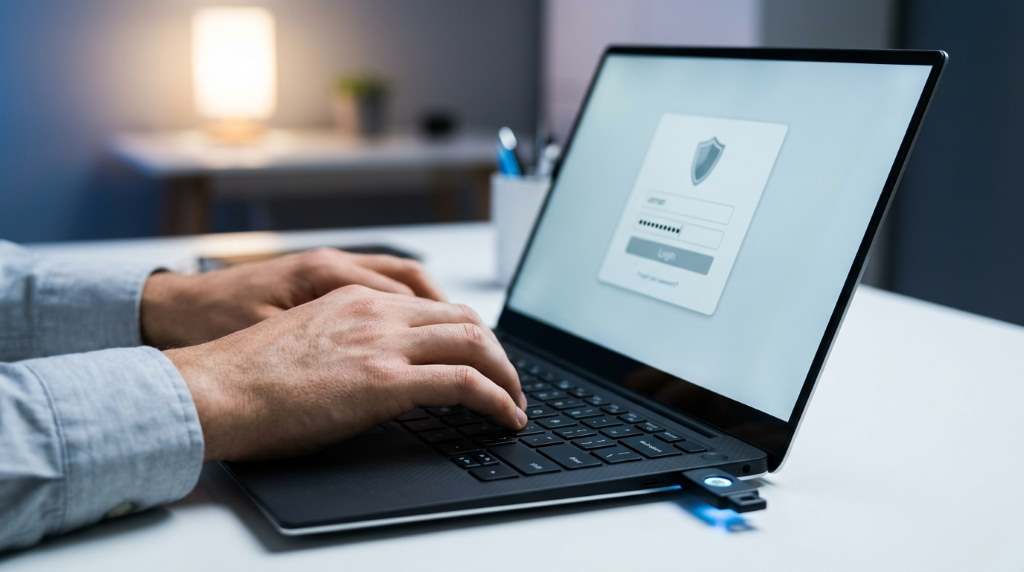
Then activate multi factor authentication whenever the operator provides it. An authenticator app or security key can provide stronger protection than password access alone.
Never share your password, verification code, or authentication approval with another person. Also, avoid saving login details on shared computers or unfamiliar devices.
Protect Your Login Every Time
- Use a unique password for the gambling account.
- Enable multi factor authentication when available.
- Use a trusted password manager for credential storage.
- Review active sessions and remove unfamiliar devices.
- Never approve unexpected authentication requests.
- Update your password after any suspected account breach.
Additionally, check account notifications regularly. An unexpected login alert, password change, or withdrawal request deserves immediate attention.
Understand Payments Before You Deposit
Payment safety begins before your first deposit. Read the deposit methods, withdrawal process, transaction limits, verification rules, and applicable fees.
A useful review framework can include the iGaming platform review methodology approach. It encourages you to assess practical platform features instead of focusing only on games or promotions.
Use a payment method that you recognize and can monitor easily. Keep records of deposits, withdrawals, confirmations, and account statements for your personal records.
Never send money because someone claims you must pay an unexpected fee to unlock winnings. Contact the operator through its official support channel and verify the request first.
Use a Simple Payment Checklist
- Confirm the payment method belongs to you.
- Review transaction limits before depositing.
- Understand withdrawal verification requirements.
- Save transaction confirmations and withdrawal records.
- Check your bank or payment account after major transactions.
- Report unauthorized transactions immediately.
Most importantly, never use borrowed money to chase gambling losses. A payment method should support controlled spending, not extend your gambling budget.
Protect Your Personal Information and Privacy
Online gambling platforms may collect identity, location, payment, device, and account information. Consequently, privacy deserves the same attention as password security.
Review the privacy policy before submitting sensitive documents. Look for explanations covering data collection, sharing, retention, marketing, and account verification.
Only upload identity documents through the operator’s secure verification system. Avoid sending passports, identification cards, or financial documents through random messages.
Also, limit optional information when the platform does not require it. Fewer unnecessary details can reduce your overall exposure if an account or service experiences a security incident.
Reduce Your Privacy Exposure
- Read the privacy policy before registration.
- Disable optional marketing communications when appropriate.
- Use secure connections when accessing your account.
- Avoid gambling accounts on public computers.
- Keep your operating system and browser updated.
- Delete saved payment information when you no longer need it.
Be cautious with messages claiming to come from customer support. Verify the sender through the platform’s official website before opening attachments or sharing information.
Learn How Fair Play Works
Fair play involves transparent rules, clearly described games, accurate outcomes, and appropriate dispute procedures. However, fairness does not mean every gambling session produces a positive result.
Random outcomes can produce wins and losses even when a properly regulated game operates correctly. Therefore, never treat a previous result as proof that another result must follow.
Read the rules before placing a wager or entering a game. Pay particular attention to wagering conditions, eligibility rules, settlement procedures, and withdrawal requirements.
Independent testing and regulatory oversight can provide additional confidence in technical game controls. Still, you should understand that no testing process guarantees a winning outcome.
Signs of a Transparent Platform
- Clear game rules appear before play.
- Terms explain important account conditions.
- Promotional requirements remain easy to understand.
- Settlement rules address common disputes.
- Customer support explains complaints procedures.
- Responsible gambling tools remain easy to access.
Furthermore, avoid platforms that hide essential conditions behind confusing wording. A trustworthy service should make important restrictions understandable before you commit funds.
Use Responsible Gambling Controls Before Playing
Responsible gambling works best when you set limits before emotions influence your decisions. Decide your spending, time, and session limits before starting.
Use deposit limits to control how much money enters your account. Likewise, time outs can create a deliberate break when you need distance from gambling.
Self exclusion provides a stronger restriction when ordinary limits no longer feel sufficient. Treat these tools as practical safeguards rather than signs of failure.
The goal should remain controlled entertainment within an affordable budget. Gambling should never replace money needed for housing, food, bills, savings, or essential expenses.
Set Limits Before Your First Session
- Set a maximum deposit amount.
- Set a maximum session duration.
- Decide your maximum gambling budget.
- Never increase limits during emotional play.
- Use time out features when needed.
- Consider self exclusion when gambling becomes difficult to control.
Also, avoid chasing losses by increasing stakes after losing. Losses do not create an obligation to continue playing.
Recognize Warning Signs Early
Changes in gambling habits can reveal problems before they become financially serious. Pay attention when gambling starts affecting sleep, work, relationships, or daily responsibilities.
Repeatedly hiding gambling activity can also signal a problem. Likewise, borrowing money or selling possessions to continue gambling deserves immediate attention.
Another warning sign involves increasing stakes to recreate earlier excitement. Spending more time or money can gradually make normal limits feel less satisfying.
If gambling stops feeling recreational, pause immediately. Use available support services and consider stronger account restrictions instead of trying to recover losses through further play.
Warning Signs Worth Taking Seriously
- Gambling interferes with work or family responsibilities.
- You repeatedly exceed your personal spending limit.
- You hide deposits, losses, or gambling sessions.
- You borrow money specifically for gambling.
- You feel pressure to recover previous losses.
- You struggle to stop when you planned to stop.
Use Real World Experience Without Copying Others
Reviews and player experiences can reveal practical issues that formal platform descriptions may not explain. However, personal experiences should inform your questions rather than dictate your decisions.
For broader context, explore real world iGaming experience discussions before forming an opinion. Compare repeated patterns instead of relying on one dramatic complaint or glowing review.
Look for consistent comments about withdrawals, customer service, verification, account access, and platform usability. Then compare those observations with the operator’s published rules.
Remember that individual experiences can differ because account status, location, payment methods, and circumstances vary. Use reviews as supporting information, not as proof of guaranteed treatment.
Handle Bonuses and Promotions Carefully
Promotions can make an offer look attractive while adding conditions that affect withdrawals. Always read the complete promotional terms before accepting any bonus.
Check wagering requirements, eligible games, expiration periods, maximum qualifying amounts, and withdrawal restrictions. If you cannot explain the promotion in simple words, do not activate it yet.
Also, remember that a bonus does not create free money. It can create additional conditions that change how and when funds become withdrawable.
Keep promotional decisions separate from your spending limit. Never increase your gambling budget simply because an operator presents a limited time offer.
Create a Personal iGaming Safety Routine
A simple routine can prevent many avoidable mistakes. Review your account settings, transactions, limits, and security alerts regularly.
Before every session, confirm your spending limit and available time. During play, stop when you reach either limit without negotiating with yourself.
After each session, review your activity when practical. This habit can reveal spending patterns that feel less obvious during active play.
A Five Minute Safety Check
- Confirm the correct website or application.
- Check recent account activity.
- Review pending withdrawals and deposits.
- Confirm your current gambling limits.
- Close the session when your planned limit ends.
Over time, this routine turns safety from a one time decision into a repeatable habit. That consistency can help protect both your account and your budget.
What to Do After a Security Problem
Act quickly when you notice suspicious account activity. Change your password, end unfamiliar sessions, and activate stronger authentication immediately.
Next, contact the operator through its verified support channel. If money moved without your authorization, contact the relevant payment provider and follow its fraud reporting process.
Keep screenshots, transaction records, emails, and support case numbers. These records can help you explain what happened clearly and preserve an accurate timeline.
Finally, avoid communicating with suspected scammers through unofficial channels. Use verified contact details and never provide additional credentials to someone claiming they can recover your account.
Online iGaming Safety Checklist
| Safety Area | What to Check |
|---|---|
| Operator | License, legal identity, location rules, and support access |
| Account | Unique password, multi factor authentication, and session activity |
| Payments | Deposit methods, withdrawal rules, transaction records, and limits |
| Privacy | Data collection, document security, sharing, and marketing controls |
| Fair Play | Game rules, settlement terms, testing, and complaint procedures |
| Responsible Gambling | Deposit limits, time outs, self exclusion, and support resources |
Use this checklist before registration and whenever you try a new platform. A few minutes of review can prevent avoidable security and financial problems.
Final Thoughts on Safer Online iGaming
Online iGaming safety depends on several habits working together. Verify the operator, protect your account, control payments, limit data sharing, understand game rules, and set gambling limits early.
Most importantly, treat gambling as entertainment rather than income. Before you deposit, complete the safety checklist and confirm that the activity fits your personal budget.
If your gambling feels difficult to control, stop playing and use available responsible gambling support. Take action early, protect your finances, and make account safety part of every session.
Frequently Asked Questions
How can I check whether an iGaming operator is legitimate?
Verify its licensing information, legal operator identity, location eligibility, security practices, and responsible gambling tools.
What is the safest way to protect an iGaming account?
Use a unique strong password, enable multi factor authentication, and never share login or verification codes.
How can I make online gambling payments safer?
Use payment methods you control, review transaction rules, monitor activity, and report unauthorized transactions quickly.
What should I check before accepting an iGaming bonus?
Review wagering requirements, eligible games, expiration rules, withdrawal conditions, and other promotional restrictions.
When should I use responsible gambling tools?
Use deposit limits, time outs, or self exclusion whenever gambling begins affecting your budget, time, or daily responsibilities.